EconHack 2026: More Than a Competition
By Casey Elliott
What Is EconHack?
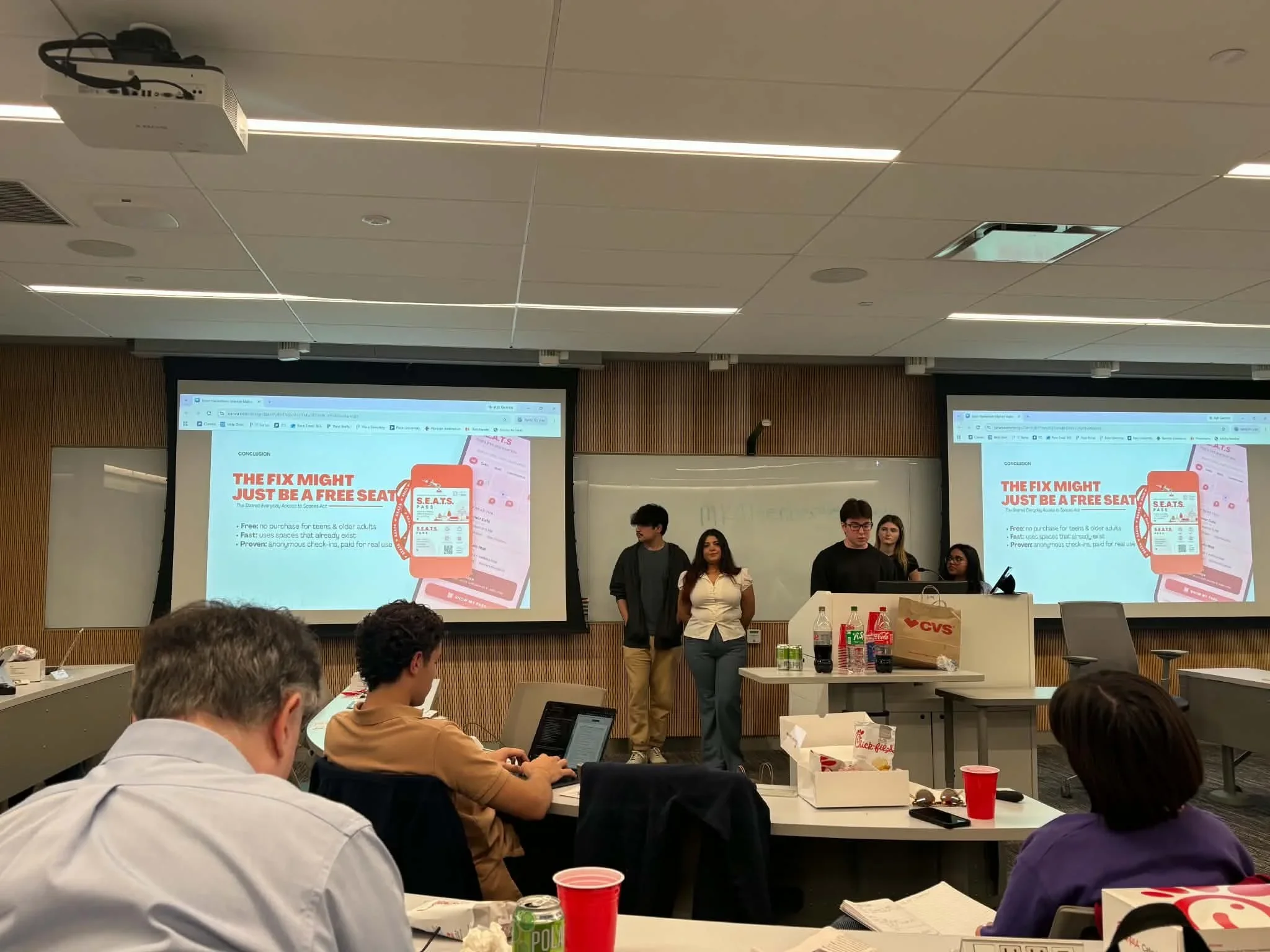
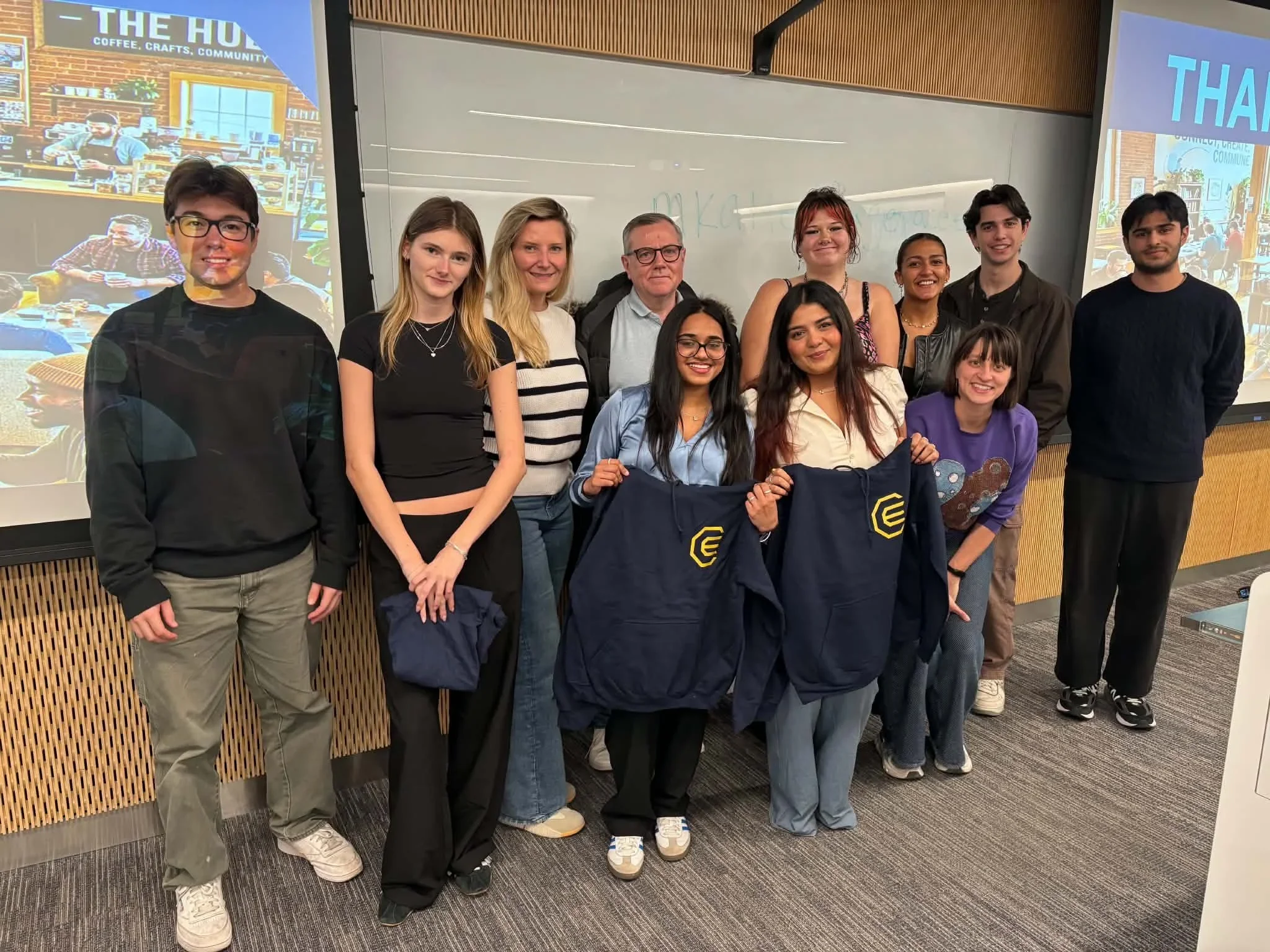
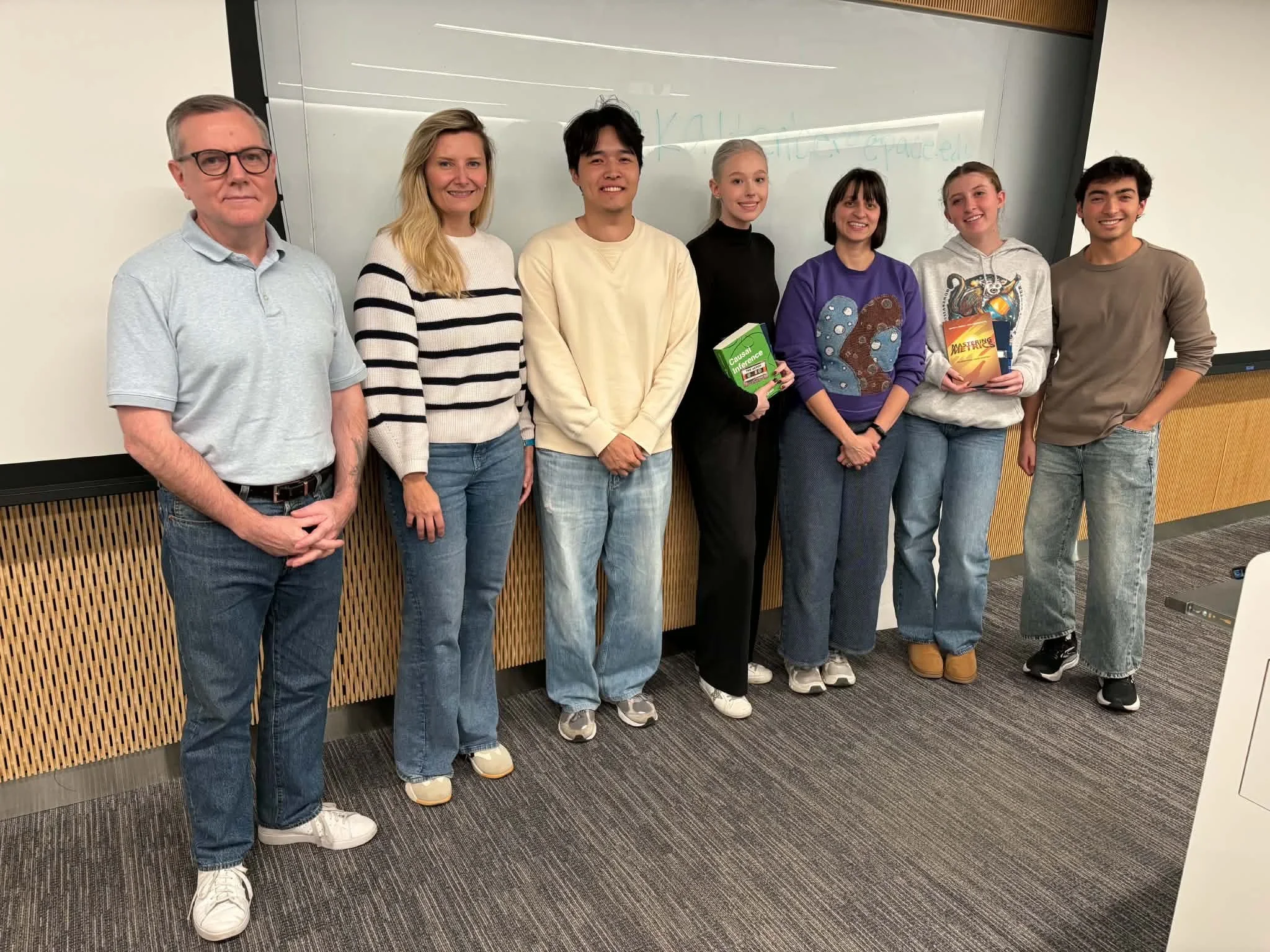
On October 22 and 23, Pace University hosted its 6th annual EconHack, a competition that challenges students to use economics, research, and critical thinking to solve real-world problems. The event brings together students with different backgrounds and perspectives to develop creative, evidence-based policy solutions. Overall, EconHack pushes students to think critically, work together, and develop solutions within a limited amount of time.
For more info about EconHack please visit: Prof. Kaltenberg’s page
This Year's Challenge: The Decline of Third Spaces
This year's EconHack focused on the decline of "third spaces." Third spaces are places outside of home, work, or school where people can socialize, build relationships, and feel part of a community. These include parks, libraries, cafés, and community centers.
Over the years, many of these spaces have become less accessible or less frequently used, especially by younger generations. Whether it's because of changes in social behavior following COVID-19 or the growing influence of social media, face-to-face interactions have declined. According to the Bureau of Labor Statistics' American Time Use Survey, the share of Americans aged 15 and older who spent time socializing and communicating on an average day fell from 38% in 2015 to 30% in 2025.
Our challenge was to develop a policy intervention that could improve access to third spaces, reduce loneliness, and strengthen connections within communities.
Why Social Connection Matters for the Economy
The decline of third spaces isn't just a social issue. It can also have economic consequences. One way to understand this is through Maslow's hierarchy of needs. Maslow's theory places love and belonging among our fundamental human needs, before esteem and self-actualization, which is the idea of reaching your full potential. A 2023 study by Rojas, Méndez, and Watkins-Fassler published in World Development examined Maslow's theory and highlighted the importance of belonging and esteem for well-being.
This raises the question: If people struggle to find a sense of belonging, could that also make it harder for them to reach their full potential? And if that happens on a larger scale, what could it mean for the economy? A 2026 study by Leblang and Wesselbaum published in the American Journal of Epidemiology found that countries with higher levels of loneliness tended to experience slower long-term productivity growth. This suggests that loneliness may have consequences beyond someone's personal well-being, potentially affecting how productive an economy can be.
Social interactions also allow people to build relationships, exchange ideas, and learn from one another. When these interactions decline, we could be missing out on opportunities for collaboration and innovation. A 2009 study by Akçomak and ter Weel found evidence that social capital contributes to economic growth by encouraging innovation.
This shows why third spaces are so important. They don't just give people somewhere to spend their free time. They create opportunities for people to meet, share ideas, and build connections that could eventually lead to something bigger.
My Experience
Going into EconHack, I was excited to challenge myself. After learning more about the decline of third spaces and thinking about its potential impact on our economy, I started wondering how technology could be used to bring people together rather than keep them apart.
One of the ideas I worked on was creating an app that would connect people through their shared interests. For example, if someone enjoys playing soccer, they could search for soccer-related activities and find pickup games or watch parties happening around New York City. People could post activities, discover opportunities to meet others, and RSVP for free. The idea was to make it easier for people to turn their interests into real-life connections.
Beyond developing ideas, EconHack challenged my leadership, communication, and time-management skills. Working under a 24-hour deadline meant that we had to make quick decisions, listen to different perspectives, and figure out how to move forward as a team. Everyone was driven, hardworking, and open-minded. Although we were competing against one another, the environment remained positive, and everyone seemed genuinely excited to share their ideas and learn from each other.
More Than a Competition
Looking back, I made new friends, strengthened existing relationships, and developed my critical-thinking skills. More importantly, I was exposed to different perspectives that challenged the way I approached certain problems.
One of my biggest takeaways was that growth often comes from putting yourself in unfamiliar situations. EconHack allowed me to do exactly that. Moreover, an event focused on social connection ended up demonstrating the importance of that connection firsthand. Through teamwork and conversations, we were building the same sense of belonging that we were trying to help others experience.
I would encourage any Pace student to participate in EconHack, regardless of their background or experience with economics. You don't need to have all the answers going in. Sometimes the most valuable part isn't finding the perfect solution, but challenging yourself, learning from others, and walking away with a new perspective.
Meet the Economist
Casey Elliot is a Junior studying in Economics.